Written by Steve Chiu
Edited by Adriana DiBenedetto
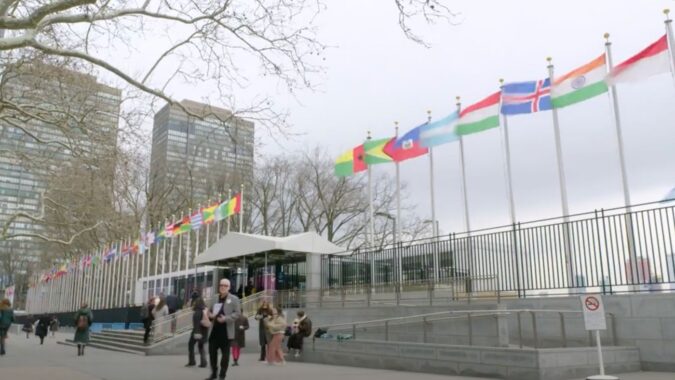
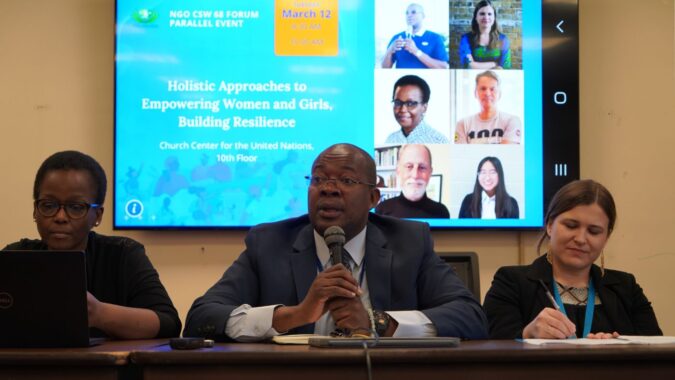
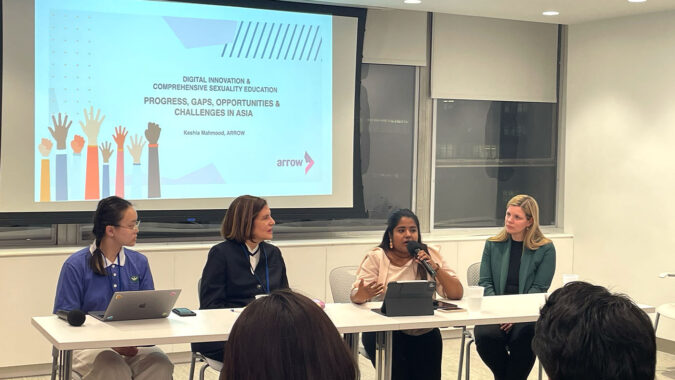
As the international community gathers for the 70th session of the Commission on the Status of Women (CSW 70), the Buddhist Tzu Chi Foundation offers reflections grounded in six decades of community-based, volunteer-led service. This milestone coincides with both the United Nations’ proclamation of 2026 as the International Year of Volunteers for Sustainable Development (IVY 2026) and Tzu Chi’s 60th anniversary, marking a humanitarian journey that began in 1966 through the compassion of Dharma Master Cheng Yen and 30 female homemakers and has since grown to over 10 million volunteers and supporters, serving communities in over 139 countries and regions across the globe.
Why Access to Justice Remains Urgent
Across the world, women and girls continue to face persistent social and structural barriers. As reported by the World Bank, 3.9 billion women face legal barriers affecting economic participation, with a global average score of 64.2 / 100 under its legal frameworks index, underscoring the unfinished work of legal equality. At the same time, progress is constrained by gaps in gender data systems: UN Women notes that the global average availability for gender-specific Sustainable Development Goal (SDG) indicators was 56 percent in 2024, with projections suggesting it could take 286 years to close gaps in legal protection and abolish discriminatory laws.
Justice also means safety and protection from violence. As reported by the United Nations Development Programme (UNDP), an estimated 48,800 women and girls were killed in 2022 by intimate partners or family members, with women facing greater barriers to justice than men in nearly 70 percent of surveyed countries.
Volunteerism as a Pathway to Gender Justice
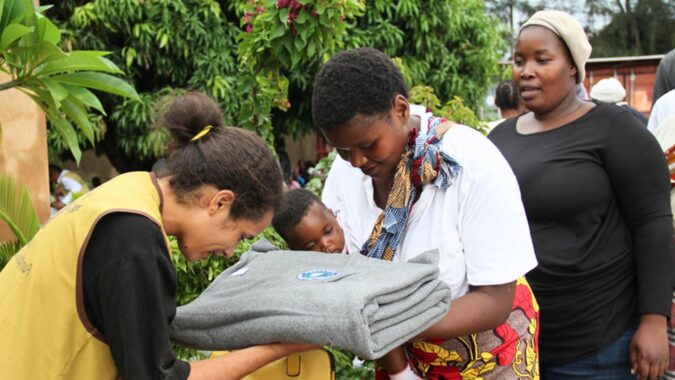
IVY 2026 recognizes volunteers as essential partners for achieving the 2030 Agenda for Sustainable Development, calling on Member States and stakeholders to integrate volunteerism into development pathways. Tzu Chi’s experience affirms that when volunteerism is rooted in faith and scaled through partnerships, it becomes a durable bridge between policy and people – helping families access services, navigate systems, and regain dignity after crisis.
Volunteerism, however, should not substitute for the state’s obligations. Rather, it can strengthen sustainable systems by building trusted community referral networks, extending the reach of social services, and supporting the feedback loops that make laws implementable and accountable.
Stories from the Ground
Tzu Chi’s ongoing work in Nepal and India reflect a practical approach to gender equality: strengthening capabilities, reducing economic vulnerability, and supporting girls’ education – while mobilizing local volunteers to sustain community ownership.
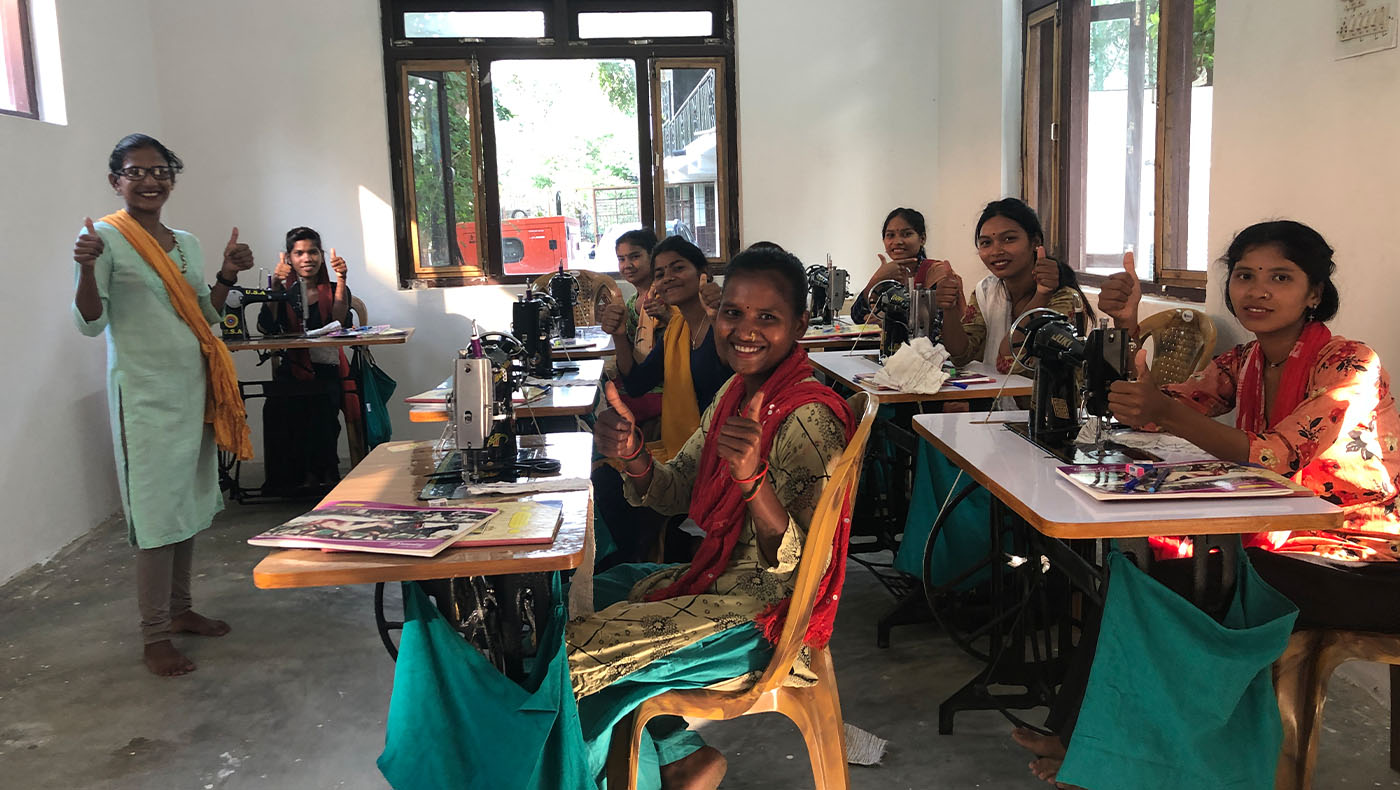
In Lumbini, Nepal, Tzu Chi launched a Sewing and Tailoring Program in October 2022, to expand women’s livelihood options in communities where traditional gender roles and scarce jobs constrain women’s mobility and income. By April 2023, the program enrolled 19 students, providing a pathway toward economic independence.
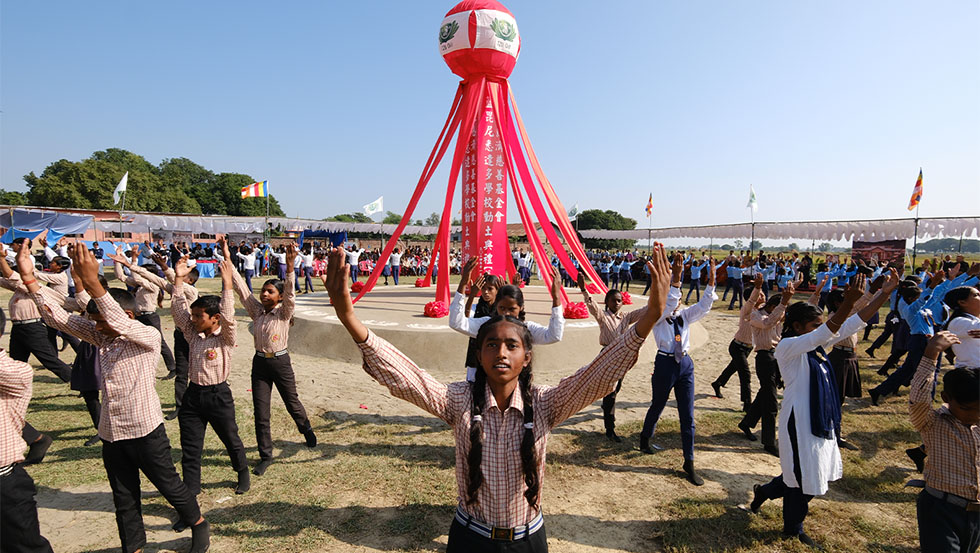
To strengthen education systems – critical to women’s and girls’ long-term access to justice – Tzu Chi supported retention and re-enrollment through its Zero Dropout Plan. Through outreach and financial support, 16 students returned to their studies, reopening opportunities for themselves and their families. Tzu Chi also donated two school buses to Karuna Girls College in Lumbini Province to reduce barriers linked to distance and commute safety.
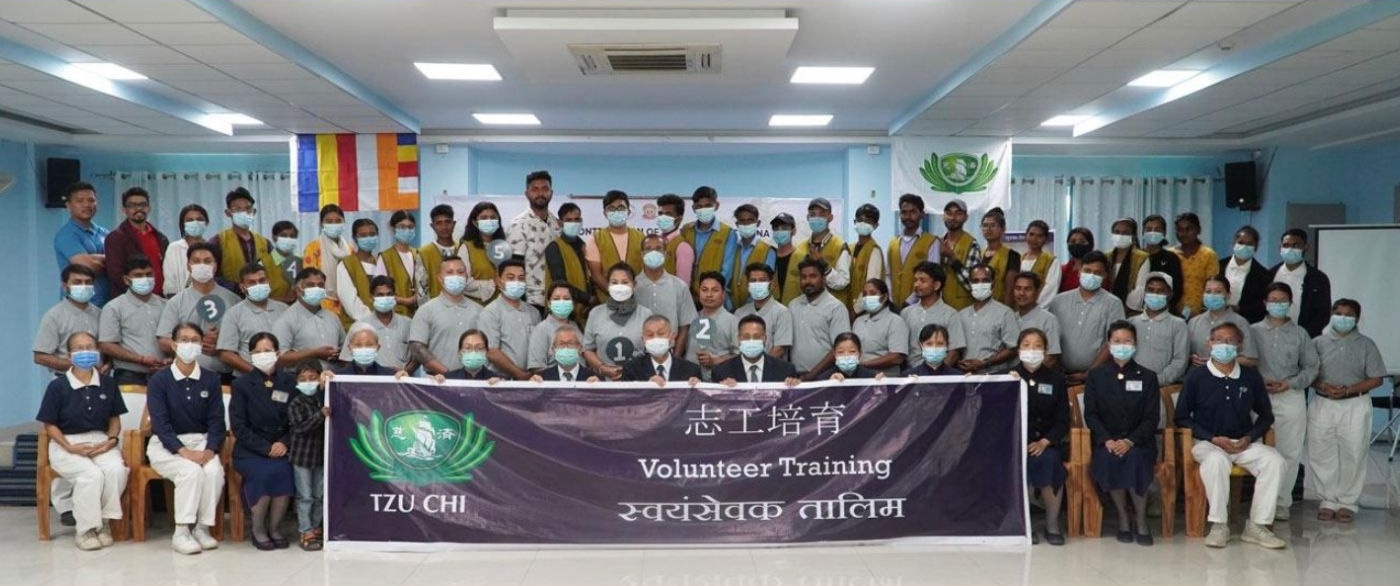
Because sustainable change depends on local leadership, Tzu Chi has also invested in volunteer capacity. By June 2023, more than 100 community members had participated in aid activities in Nepal, with 44 formally trained through volunteer training that introduced Tzu Chi’s missions, values, and humanistic approach to service.
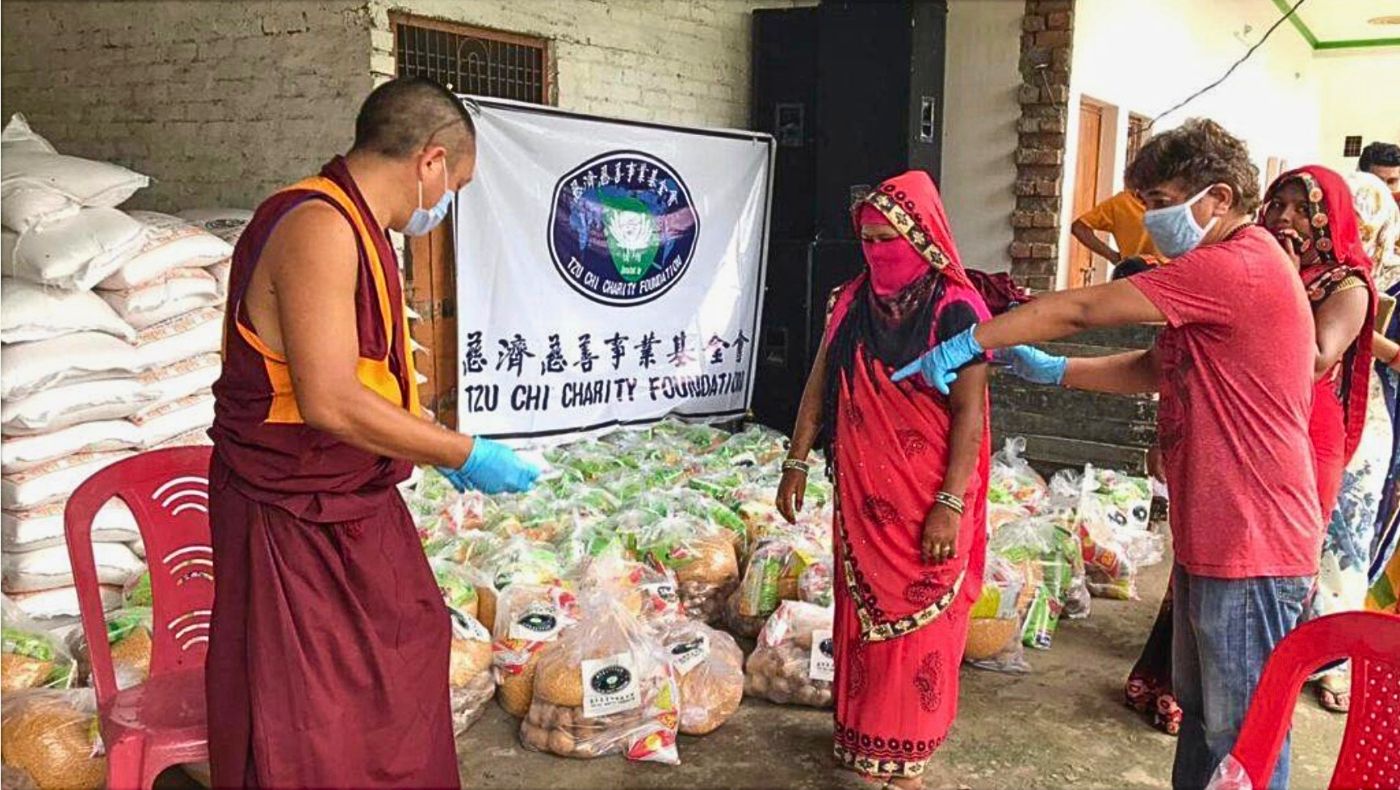
In India, Tzu Chi’s early humanitarian response illustrates how stability and dignity can be strengthened through long-term recovery. After the 2001 Gujarat earthquake, Tzu Chi, in partnership with CARE France, constructed 227 permanent Great Love Houses for families who lost their homes.
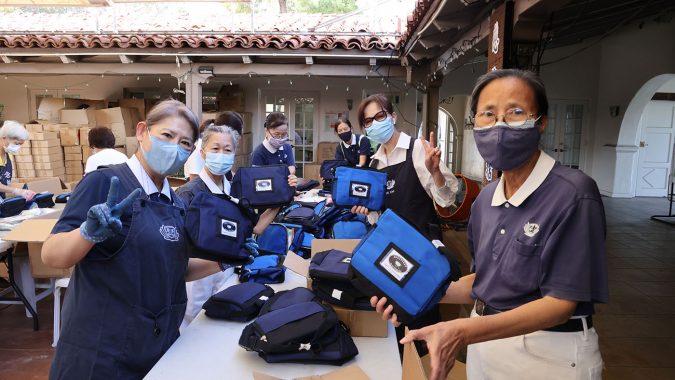
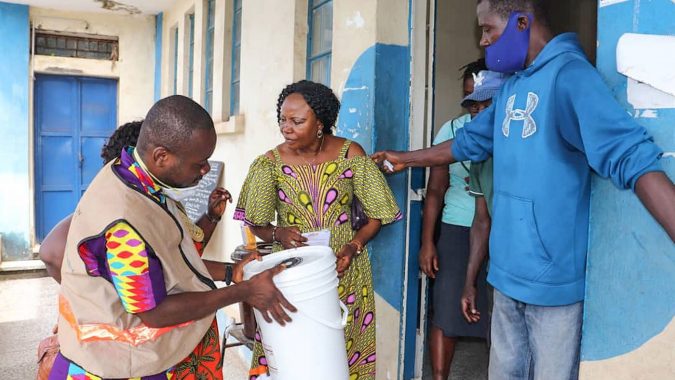
During the COVID-19 pandemic, Tzu Chi collaborated remotely with over 300 organizations across India to provide protective supplies, medical equipment, and food packages, reaching 100,000 families by the end of October 2020. These partnerships demonstrate a scalable model: civil society and faith-based networks can expand delivery of aid – especially for women-headed households and families facing compounded vulnerabilities – when coordination mechanisms are clear and accountable.
From women gaining skills and income through vocational training in Nepal, to education retention initiatives that bring students back to school, to large-scale partnerships in India that reached several families during crisis, Tzu Chi has learned that sustainable progress depends on inclusive systems that endure and communities that are empowered to lead.
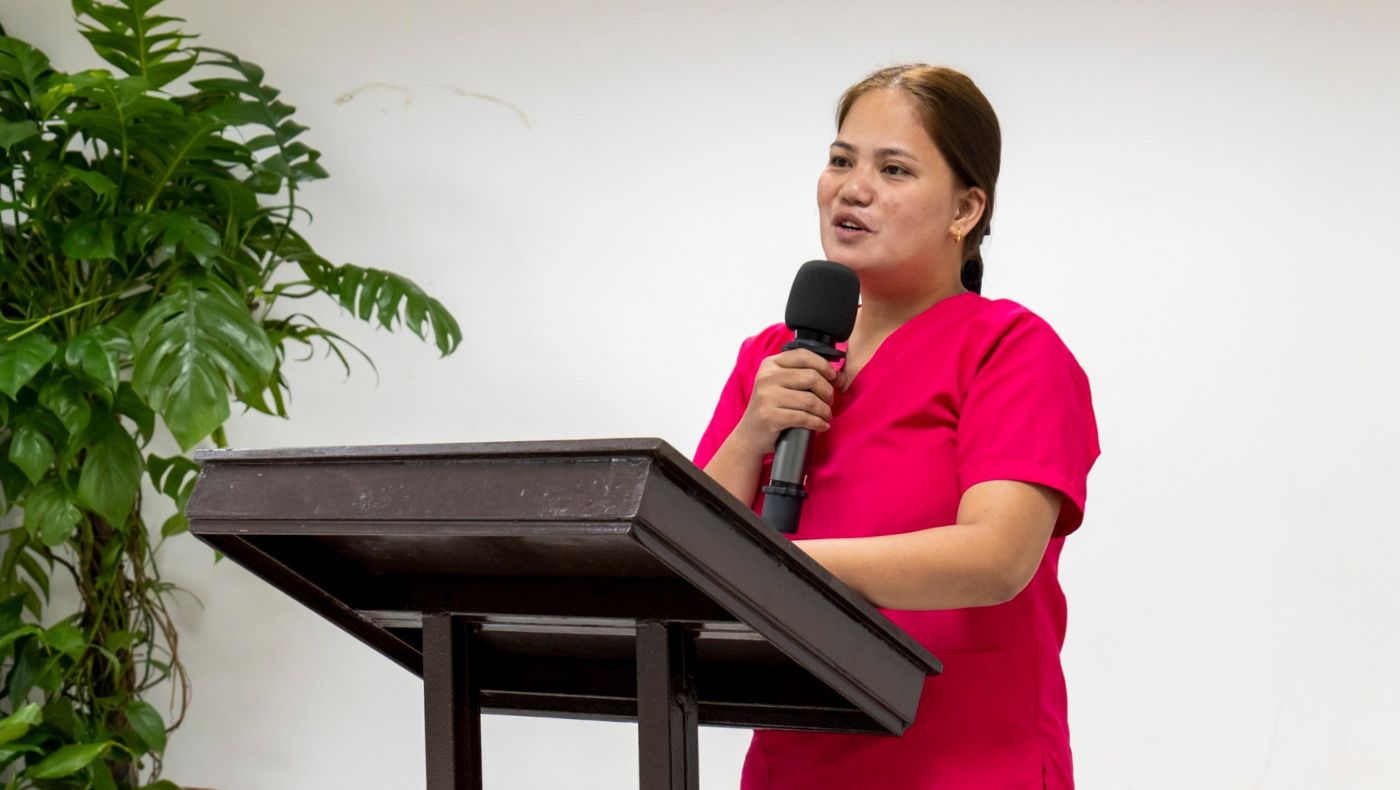
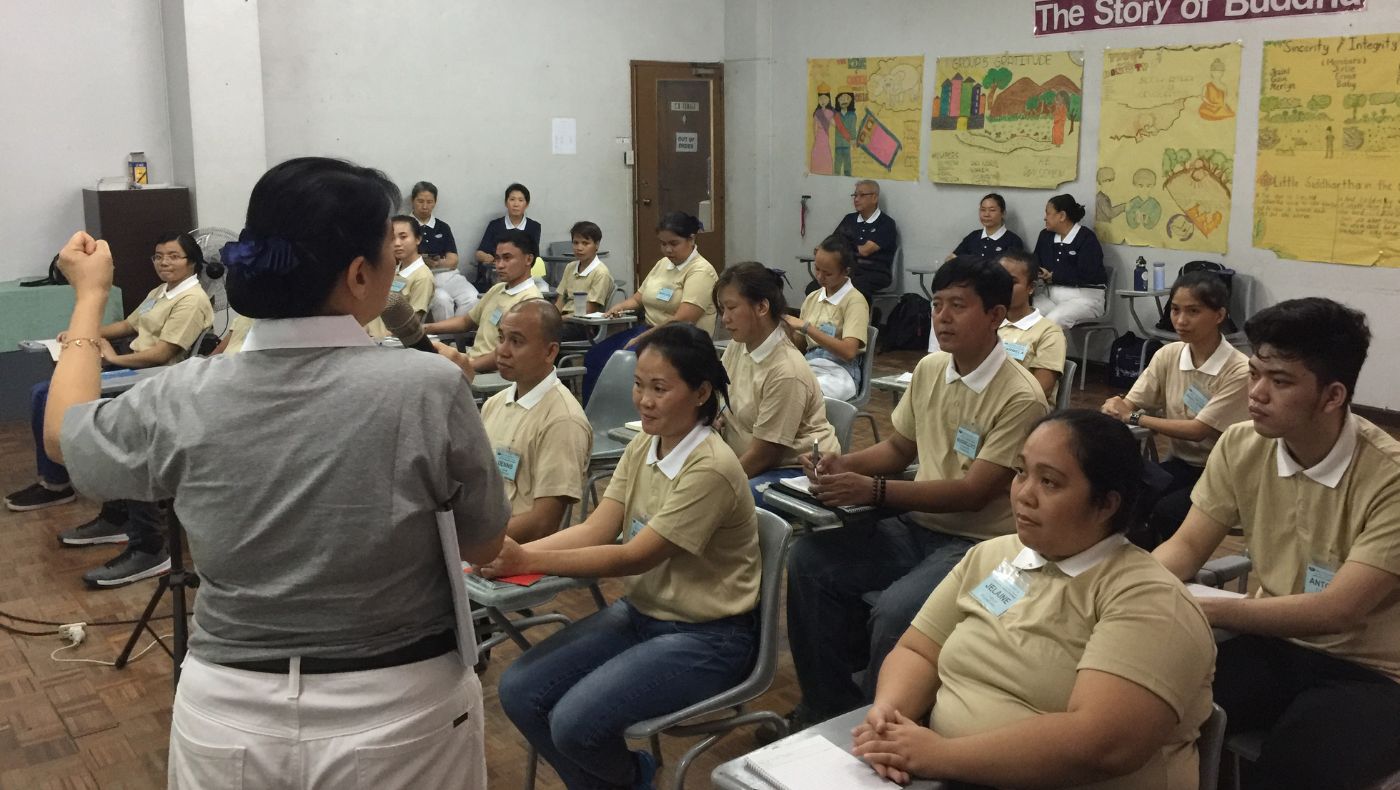
In the Philippines, Tzu Chi launched a Technical-Vocational (Tech-Voc) Program in 2010 to equip youth and adults from vulnerable communities with the skills needed to lift themselves out of poverty. Men and women are given equal opportunity to access free training, which evolved from garment sewing to four specialized tracks: Caregiving, Welding, Refrigeration and Airconditioning (RAC) Servicing, and Machine Operation. To date, the program has successfully empowered over 1,000 graduates across 50 training cycles.
Where traditional roles have sometimes overpowered female agency, the Tech-Voc Program continues to serve as a catalyst for self-actualization. With over 760 female students represented in various training courses through the years, wives transformed into equal partners and breadwinners, single mothers were able to secure jobs for their children’s future, and out-of-school young women are realizing their highest potential.
Beyond technical skills, the program integrates weekly humanity classes that cultivate values and life skills such as financial literacy and personal development, and the spirit of volunteerism reinforcing both employability and character formation. By removing financial barriers through free training, transportation allowances, daily meals, uniforms, safety gear, learning materials, and assessment fee assistance, this initiative has become a bridge from exclusion to opportunity, enabling graduates to contribute meaningfully to their families and communities.
With a program that complements technical training with holistic support, Tzu Chi’s work in the Philippines balances the scales of opportunity for every woman and girl, from changing their income to dismantling the barriers that have kept their dreams small.
Building Sustainable Systems Around Gender Equality
Access to justice is not only about access to courts; it is also about whether women and girls can access documentation, services, safe mobility, income, education, and protection without discrimination or fear. With this understanding, Tzu Chi calls on:
- Governments and policymakers to eliminate discriminatory laws and strengthen the implementation of survivor-centered justice mechanisms by conducting time-bound legal reviews and ensuring adequate resourcing;
- Public service institutions to expand people-centered and community-accessible justice services, including legal aid, referral pathways, and mobile or local service delivery, so that women and girls, especially in rural and marginalized communities, can safely access justice without stigma, fear, or prohibitive costs;
- Development and humanitarian actors to invest in girls’ education retention, safe mobility, and women’s economic empowerment through integrated approaches that link education, livelihoods, health, and protection, recognizing these as foundational to women’s empowerment and long-term gender equality;
- Civil society and volunteer networks to institutionalize volunteerism as civic infrastructure by training, safeguarding, and resourcing volunteers as trusted partners who extend the reach of services, strengthen community trust, and support the implementation of gender-responsive policies at the local level; and
- Faith actors to leverage the moral authority and community reach of faith leaders to challenge harmful social norms, promote women’s leadership, reduce stigma around justice-seeking, and collaborate with governments and civil society to advance gender-equal, rights-based outcomes consistent with international human rights standards.
In the spirit of CSW 70, as well as IVY 2026 and Tzu Chi’s 60 years of volunteer-led humanitarian service, Tzu Chi renews its commitment to a world where justice is compassionate, inclusive, and accessible. Tzu Chi calls on all stakeholders to reimagine systems of care, dismantle discriminatory structural barriers, and invest in the social foundations – education, livelihoods, safety, and data – that make an equitable and just future possible for every woman and girl across the globe.