Written by Steve Chiu
Edited by Adriana DiBenedetto
With just five years remaining before the 2030 deadline for the Sustainable Development Goals (SDGs), the call to accelerate cooperative, evidence-based action is more urgent than ever.
This year’s High-level Political Forum on Sustainable Development (HLPF) shone a light on “Advancing sustainable, inclusive, science- and evidence-based solutions for the 2030 Agenda and its SDGs for leaving no one behind.” The Buddhist Tzu Chi Foundation’s work resonates deeply with this theme, indeed, demonstrating how inclusive, community-driven efforts can help uplift populations often neglected in traditional development pathways.
Through local partnerships, youth empowerment, health services, livelihood support, and environmental stewardship, Tzu Chi volunteers around the world continue to advance tangible progress across several SDGs. The following sections highlight some of the Foundation’s contributions in the countries reviewed under this year’s HLPF focus: SDG 3 (Good Health and Well-being), SDG 5 (Gender Equality), SDG 8 (Decent Work and Economic Growth), SDG 14 (Life Below Water), and SDG 17 (Partnerships for the Goals).
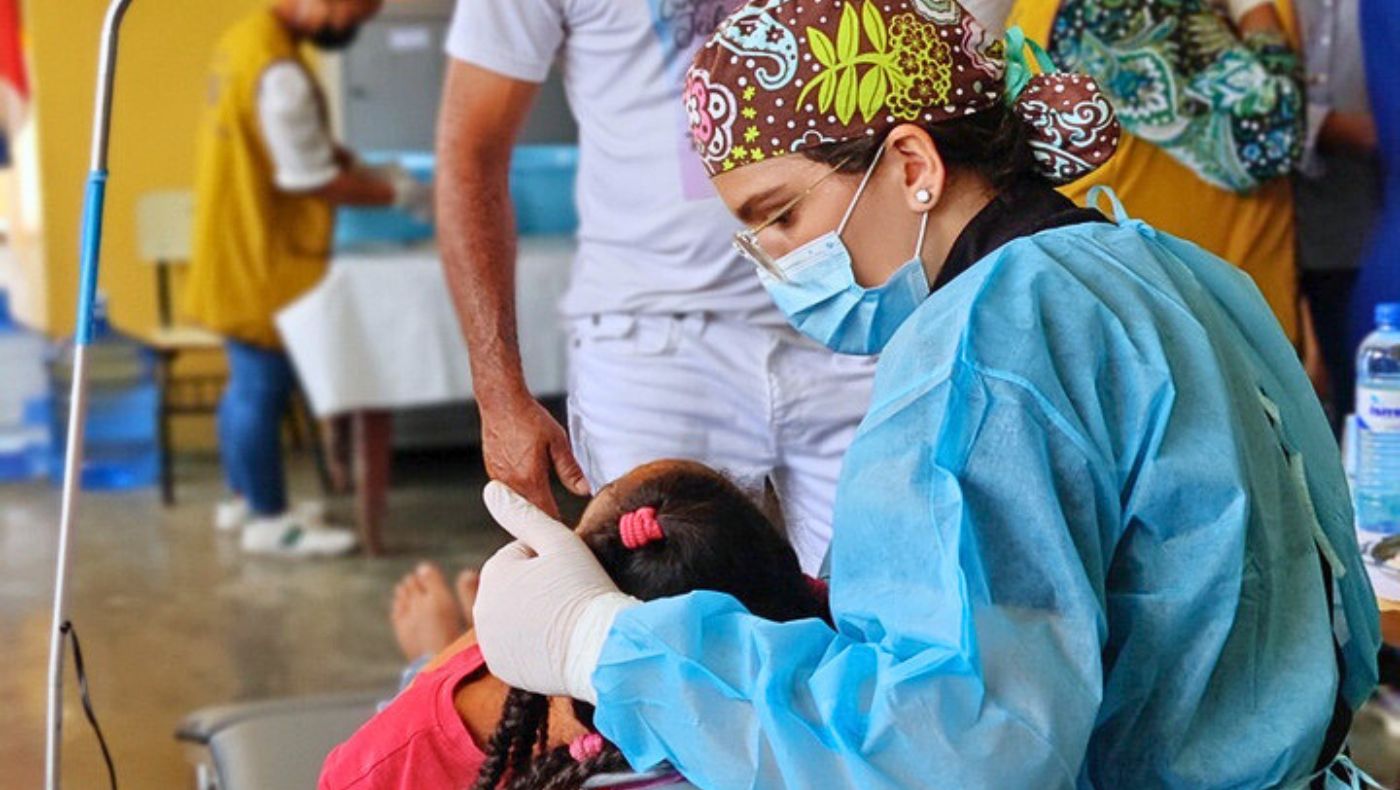
SDG 3: Good Health and Well-Being Countries: Philippines, Indonesia, Dominican Republic Project: Medical Outreach
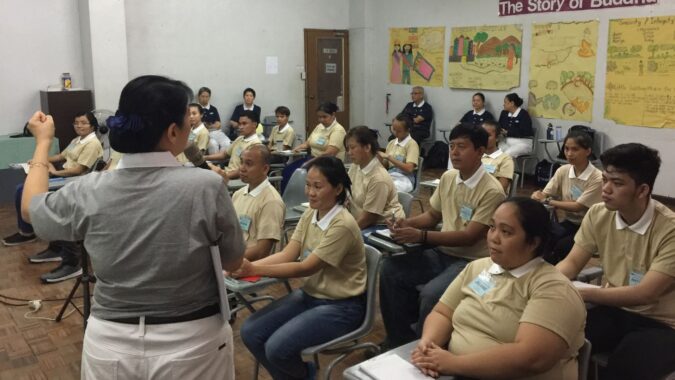
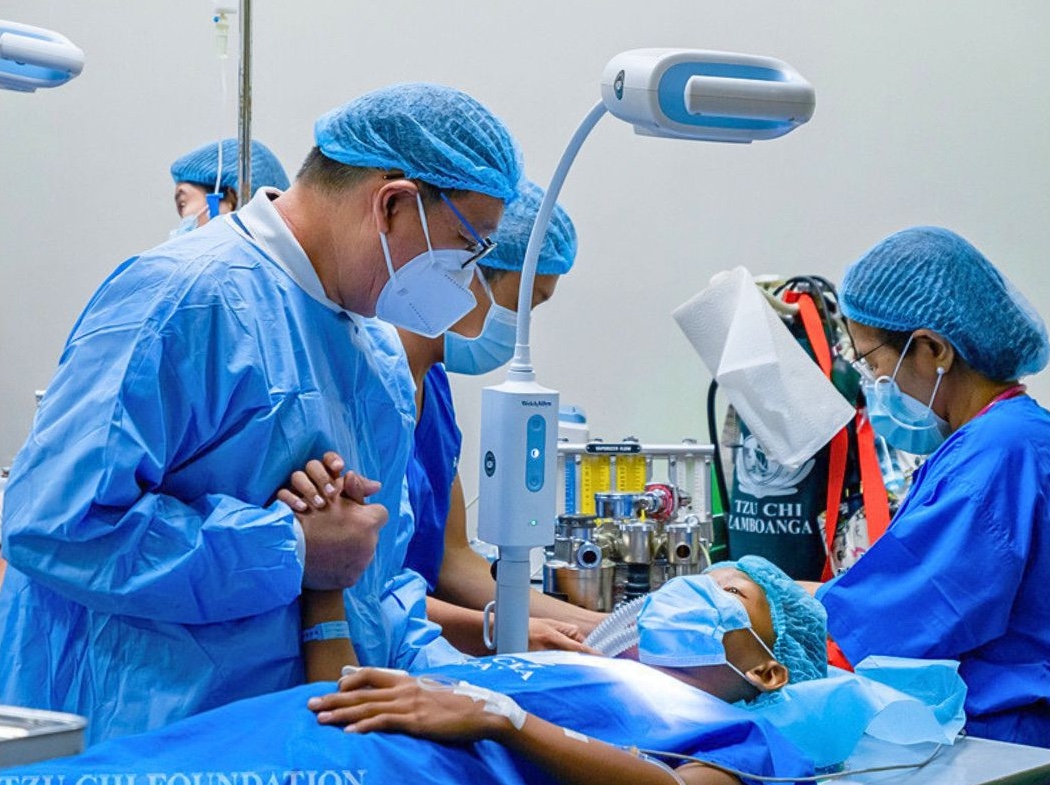
Since 1994, the Buddhist Tzu Chi Foundation has helped improve healthcare access in underserved regions of the Philippines and Indonesia, bringing essential services such as medical checkups, dental care, minor surgeries, eye exams, free eyeglasses, and medications directly to communities where access is limited. In remote areas, special medical missions provide free surgeries for cataracts, cleft lips, and other conditions that are often delayed for years due to cost or distance.
Following crises such as Typhoon Haiyan, the Indian Ocean Tsunami, the Sulawesi Earthquake, and the COVID-19 pandemic, Tzu Chi set up temporary clinics and offered trauma counseling, addressing both the physical and psychosocial dimensions of recovery for those affected. Health education, from hygiene training to disease prevention, also empowers local residents and strengthens long-term community resilience.
SDG 5: Gender Equality Countries: Nepal, South Asia Project: Female Empowerment
Across South Asia, traditional gender norms often limit the roles of women and girls from an early age, shaping expectations around household labor and personal agency. These constraints restrict access to education and employment, perpetuating cycles of dependency and inequality.
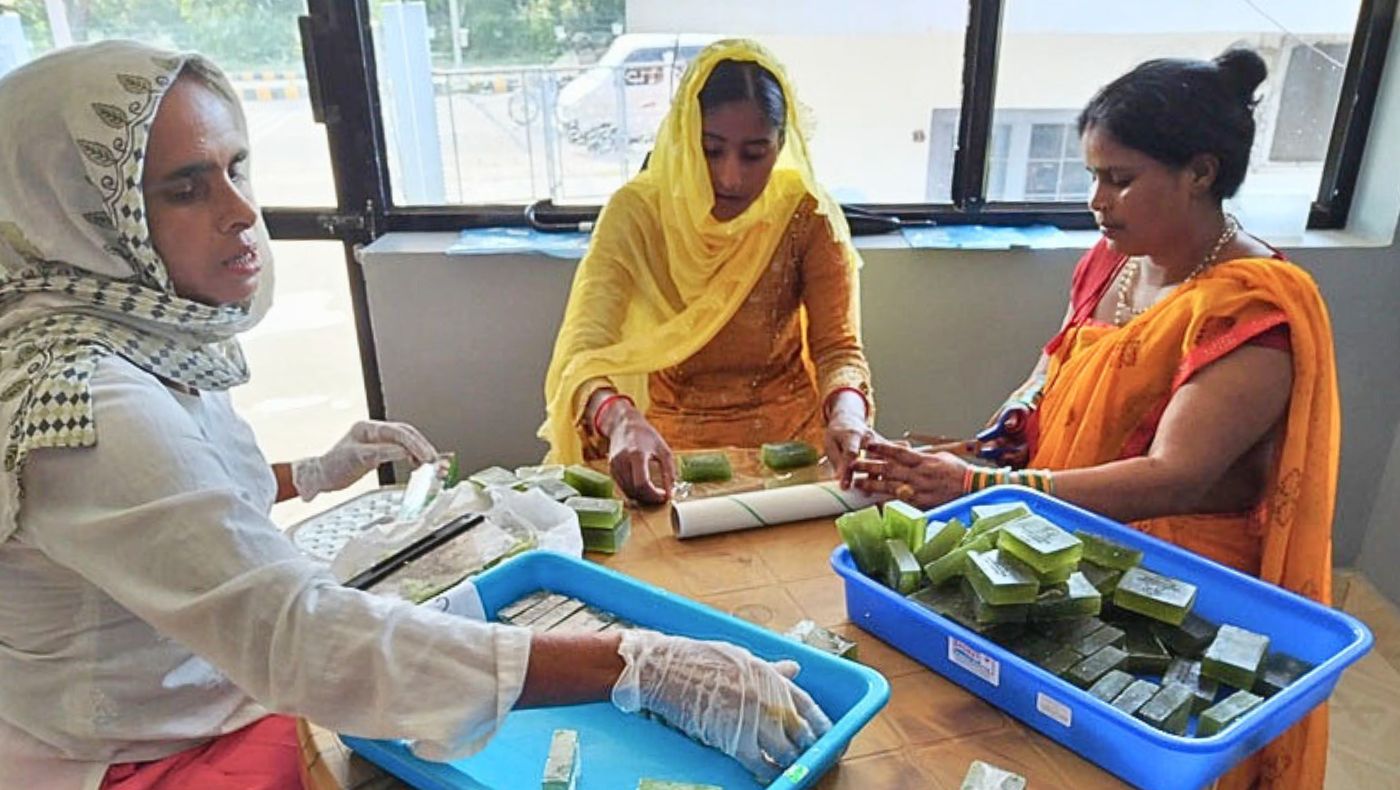
In Lumbini, Nepal, Tzu Chi has implemented programs that expand opportunities for women and girls. A vocational soap-making initiative equips participants with practical skills that create new opportunities for economic entrepreneurship and mobility. The program operates in close coordination with local leaders to champion cultural change, ensure cultural sensitivity, and pave real pathways for growth. Tzu Chi additionally utilizes several cash-for-work programs to help women achieve self-sufficiency.
Tzu Chi’s medical missions in the region also engage women and girls as translators, patient registration assistants, and in other roles that broaden their experience and strengthen their confidence. By training young women in Tzu Chi’s philosophy of compassion in action, Tzu Chi also involves them in aid distribution and places them in schools, where they serve as positive role models for younger children.
Through these opportunities, women not only contribute to their families’ financial well-being but also extend their support to others in need. When women gain economic mobility and leadership experience, they become catalysts for generational transformation. Their progress uplifts families, expands social opportunity, helps fill healthcare gaps so more families can stay healthy, and builds more equitable, resilient communities.
In the Dominican Republic, Tzu Chi marked 24 years of service in 2023 with the reopening of its dental clinic after COVID-19 pandemic closures. The clinic serves over 100 people in rural communities, ensuring they receive crucial dental checkups, oral hygiene kits, and oral hygiene education at no cost.
Medical professionals also take patients’ blood pressure before extractions to provide more holistic care. Elevated blood pressure increases the risk of complications during dental procedures, including excessive bleeding or cardiovascular stress. By integrating basic health assessments and education alongside dental care, Tzu Chi offers an approach that acknowledges the interconnected nature of oral and systemic health.
Volunteers are trained not only in hygiene education but also in environmental awareness, believing that community well-being and ecological well-being are deeply intertwined. Recognizing that good health is a cornerstone of resilient communities, Tzu Chi strives to ensure that every person, regardless of geography, background, or ability to pay, can live with dignity and hope. Through this combined lens, families receive preventive care, fair and compassionate support, and the reassurance that quality healthcare is indeed within reach.
SDG 8: Decent Work and Economic Growth Country: India Project: Vocational Training and Cash-for-Work
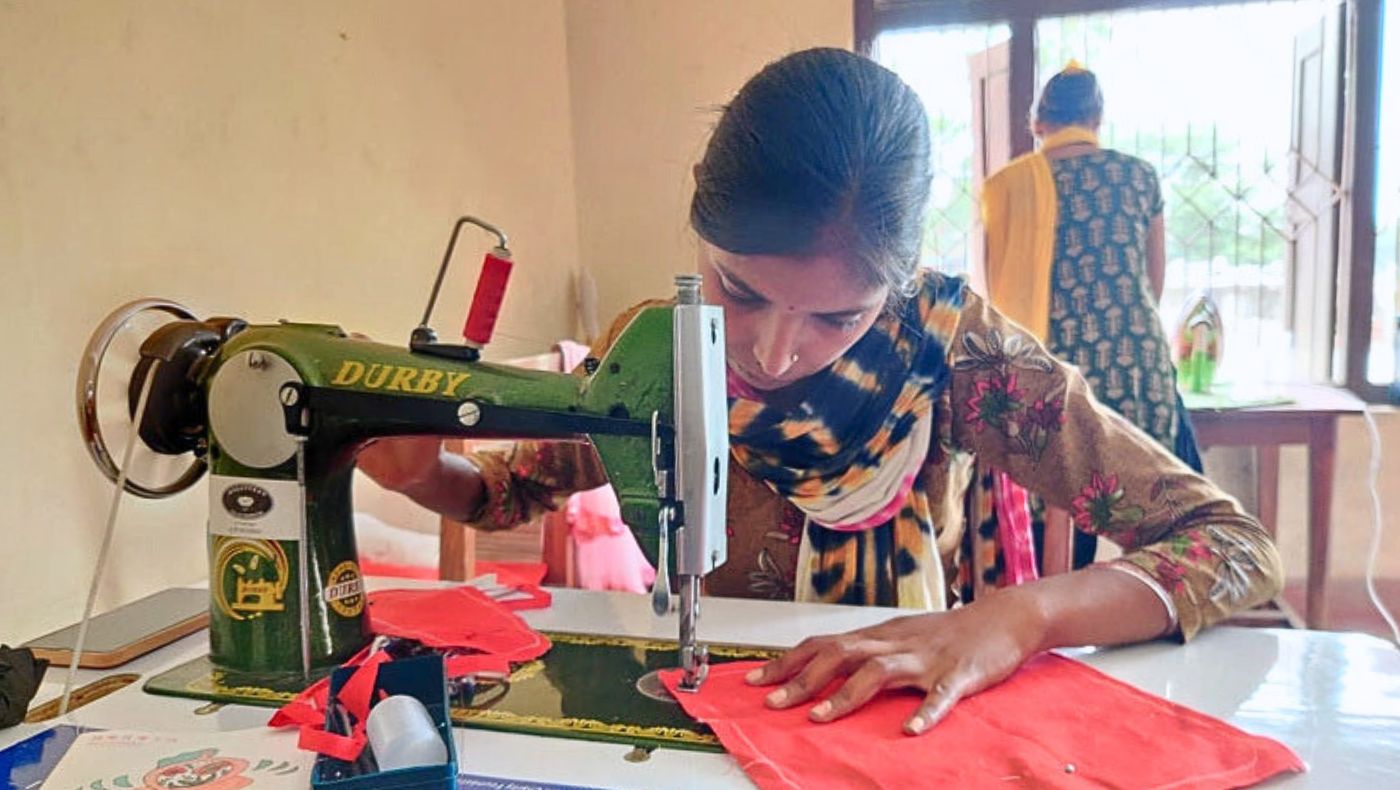
In many rural regions of India, communities often face limited job opportunities. In Bodh Gaya, Tzu Chi volunteers run sewing programs to help women cultivate valuable skills.
Training extends beyond sewing techniques, however. By equipping women with sewing skills while working alongside their husbands and men in the community, Tzu Chi simultaneously promotes economic independence and advances gender equality. Upon completion of their vocational training, Tzu Chi volunteers conduct home visits to continue supporting graduates in securing income-generating opportunities. Beyond financial stability, Tzu Chi also provides mentorship and education to the local community, including workshops on financial literacy, small business management, and leadership development.
Through accessible training and continued mentorship, Tzu Chi helps break longstanding barriers and enable communities to shape their own economic futures. Advancing SDG 8 means creating inclusive opportunities for all. By removing barriers to decent work, we can drive sustainable, life-changing growth that leaves no one behind.
SDG 14: Life Below Water Country: Malaysia (with global youth engagement) Project: Environmental Forums and Community Action
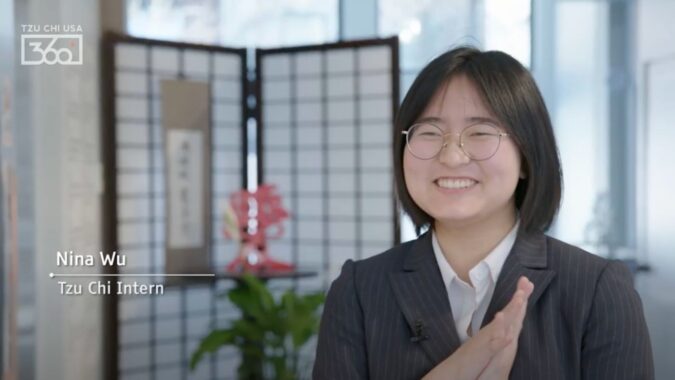
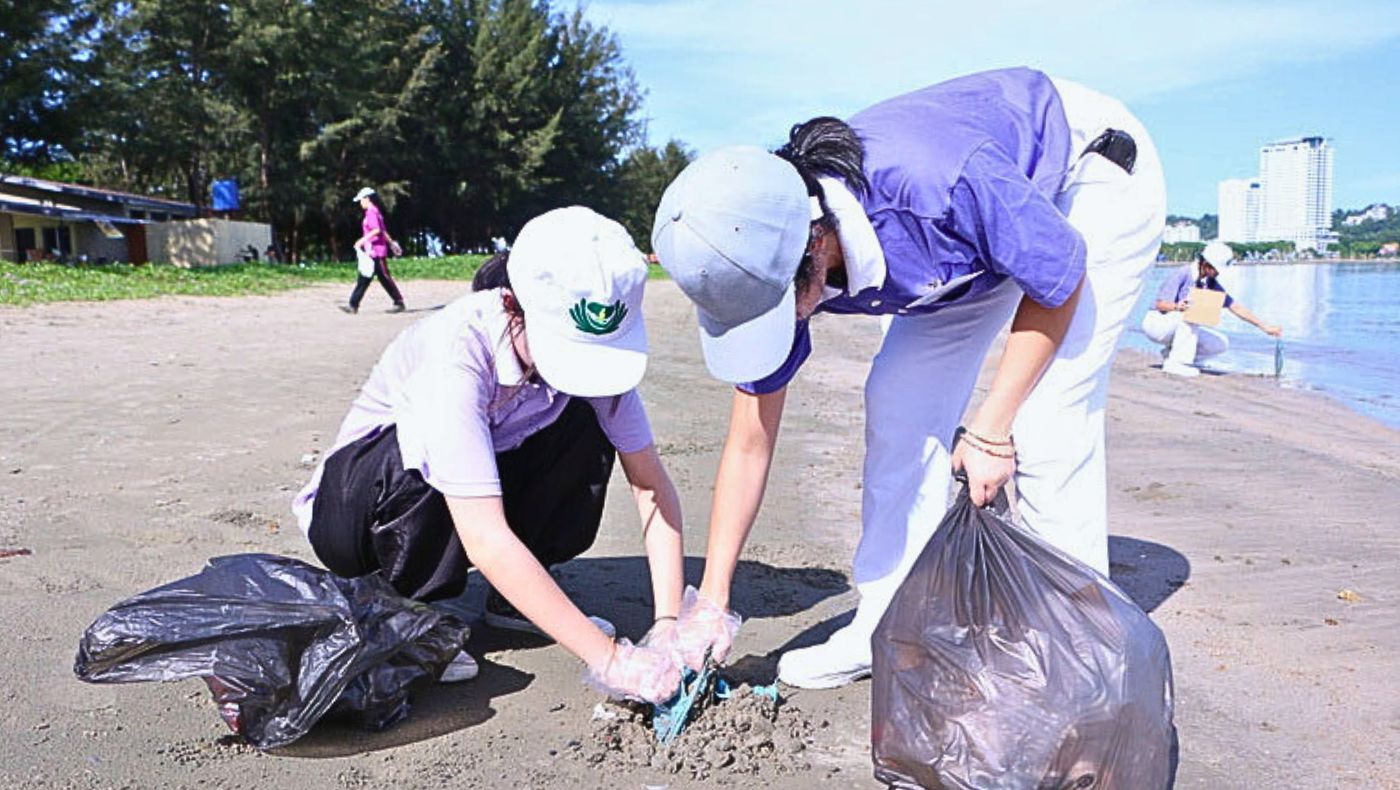
Youth often bring a clarity and sense of urgency to environmental issues that inspire action across generations. The Tzu Chi Collegiate Association (TCCA) mobilizes young people worldwide to protect marine ecosystems and confront the mounting threats posed by pollution.
Across the Philippines, Indonesia, the United States, and beyond, TCCA youth organize coastal cleanups, educational workshops, and exhibits addressing plastic waste, aquatic biodiversity, and sustainable living. In Malaysia, for example, student leaders rallied more than 1,000 participants to protect marine ecosystems, transforming concern into community momentum.
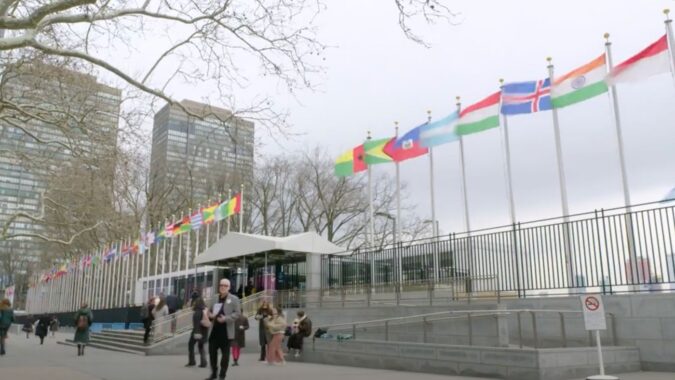
Their impact stretches beyond local action. Through coordinated engagement with UN platforms and other global forums, Tzu Chi youth demonstrate how faith-based organizations can bridge grassroots energy with policy advocacy. By lifting up these voices, the movement helps ensure that conversations about marine conservation remain grounded in lived realities and guided by the moral imperative to safeguard life below water.
What is to be feared is not the long distance to our goals, but rather, not moving forward even one step.
Jing Si Aphorism by Dharma Master Cheng Yen
SDG 17: Partnerships for the Goals Countries: Malaysia, Thailand, Poland Project: Refugee Support
Strong partnerships lay the foundation for meaningful progress. In Malaysia, where refugee children are excluded from the formal school system, Tzu Chi has partnered with the United Nations High Commissioner for Refugees (UNHCR) since 2004 to operate two educational centers. These schools provide primary education enriched with humanistic values, helping children cultivate character, resilience, and aspirations.
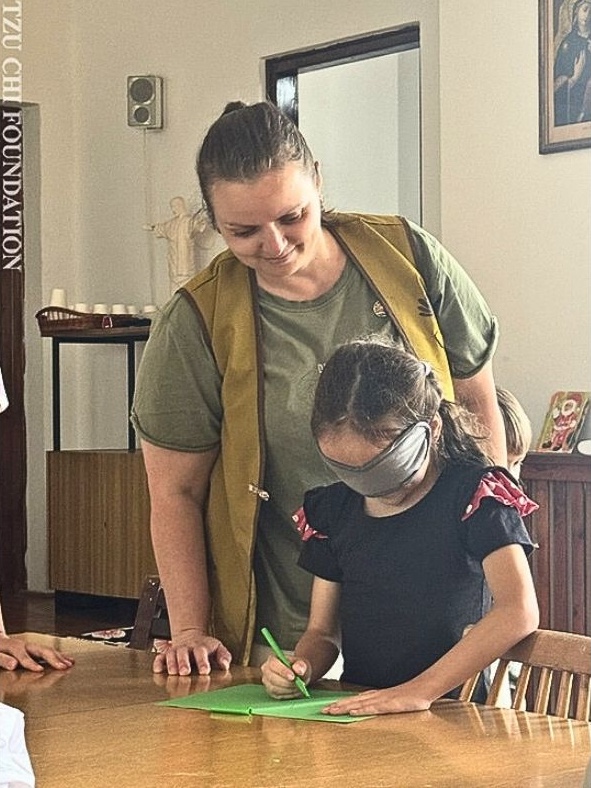
Many graduates later secure stable employment, improving their families’ circumstances and strengthening the broader community. Tzu Chi also provides cash vouchers to help families meet essential needs, including rent, food, and medical expenses. For refugees living with chronic illnesses or disabilities, these vouchers serve as a critical lifeline.
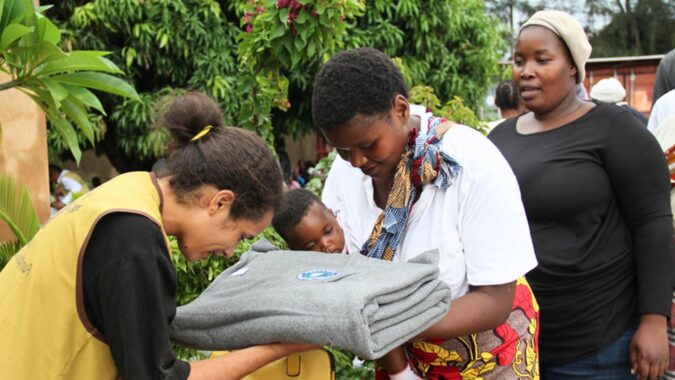
Beyond Asia, Tzu Chi has supported Ukrainian refugees through partnerships with 11 international and national NGOs in 9 countries. Assistance includes cash cards, shopping cards, cold-weather supplies, health services, psychological and legal counseling, and educational support for children.As we continue to face numerous global challenges, partnerships such as these help deliver inclusive, timely aid to vulnerable communities, and inspire hope for a better, more compassionate tomorrow.
Across continents, Tzu Chi’s work reveals the transformative power of compassion when paired with practical, community-led action. From restoring health after disasters to empowering women, encouraging youth environmental leadership, and strengthening refugee support systems, these initiatives prove that progress toward the SDGs is possible and continually renewed by those who care. And when we all join hands for a good cause, we can go even farther.